
PROFILES · BUSINESS PROFILE
The Most Expensive Time to Learn the Funeral Market Is During a Crisis
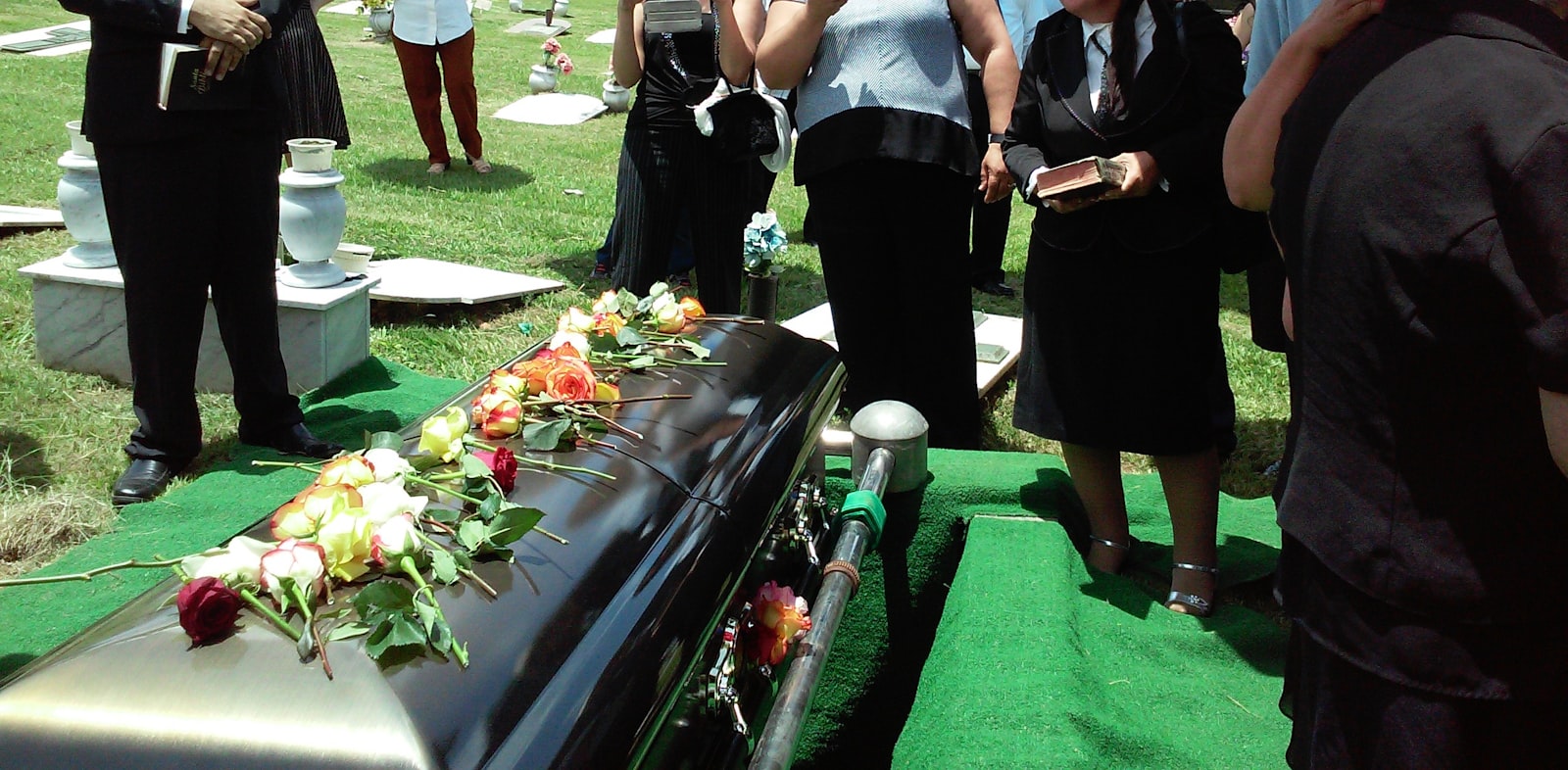
Most people will arrange only a few funerals in their lifetime. That makes the purchase emotionally important but commercially unfamiliar: the buyer has little practice, limited time and no desire to become an expert.
Victoria Burke has watched that imbalance from inside the funeral profession for roughly 20 years. Through Clozure, she is building a hybrid service that combines planning technology with human concierge support. The company’s aim, in her words, is to “take misery out of death”—not to eliminate grief, but to remove confusion that does not need to be there.
The broader opportunity is a classic market-design problem. When consumers face a rare, high-stakes decision under pressure, transparency and preparation create value.
Information rights are necessary, not sufficient
The Federal Trade Commission’s Funeral Rule gives consumers specific protections. Funeral homes must provide price information by telephone and an itemized General Price List when a consumer visits, and families may select individual goods and services rather than accept a package. (FTC Funeral Rule) The FTC also publishes a checklist that helps consumers compare costs. (FTC pricing checklist)
Those protections matter, but a newly bereaved family still confronts a sequence of questions: burial or cremation, direct disposition or ceremony, location, timing, officiant, notices, transportation, merchandise and personalization. A list of options can become another burden when nobody knows the deceased person’s wishes.
Clozure’s response is to move some decisions earlier and make guidance available when needed. Its digital component can organize information; its concierge can help a person interpret the journey. The human role is critical. Software can present a prompt, but it should not decide what a family values or impersonate emotional understanding.
Meaning does not require maximal spending
Burke’s interview includes a small, vivid example: handwritten love notes placed with a mother. The gesture was inexpensive and deeply personal. It challenges a common assumption that a more elaborate purchase necessarily produces a more meaningful farewell.
A useful planning conversation begins with the story before the merchandise:
- What did this person care about?
- Who needs to participate or be notified?
- Which cultural, spiritual or family practices matter?
- What should people feel or remember?
- What budget boundary should guide the choices?
Only then should products and services be matched to the intention. That sequence gives families permission to spend where it matters and decline what does not.
Build a minimum viable plan
End-of-life planning can feel too large, causing people to avoid it entirely. A minimum viable plan is more realistic. It should identify:
- the legally appropriate decision-maker and key contacts;
- the location of wills, advance directives and other essential records;
- disposition and ceremony preferences;
- a preliminary budget or funding source;
- accounts, subscriptions and digital assets that will need attention;
- people, communities and institutions to notify; and
- personal stories, music, readings or objects that should be considered.
The plan should state when legal, financial, medical or licensed funeral expertise is required. It should also be reviewed after major life changes. A digital tool is useful only if trusted people know it exists and access is secure.
Families comparing providers can use the FTC checklist, request written itemization and ask what is optional. They should confirm third-party charges, cancellation terms, timing and who is responsible for each task. The goal is not to negotiate every choice to the lowest possible price. It is to make informed tradeoffs rather than discovering costs at the end.
Trust is the company’s core infrastructure
Clozure is operating where privacy, grief and money intersect. That makes trust a design requirement. The company needs clear boundaries around data access, retention and AI use; transparent fees and referral relationships; escalation procedures; and careful separation between general guidance and professional advice.
Burke’s background helps bridge the worlds involved. She brings funeral-directing experience, emergency-response teaching and startup exposure. Yet the company will still be judged by repeatable safeguards, not only the founder’s empathy. A concierge service should document what it can do, verify critical information and make handoffs explicit.
The model may also have business-to-business applications. Employers, hospices, elder-care organizations, estate professionals and community groups all encounter families who need navigation. Partnerships could lower customer-acquisition costs while giving those organizations a more humane resource to offer. Any partnership should disclose incentives and preserve the family’s freedom to choose providers.
Preparation preserves attention
Burke’s central insight is that planning for death is not a surrender to it. It is a way to protect the people left behind from avoidable detective work and to preserve the details that make a remembrance personal.
The actionable lesson reaches beyond funerals. In any market where customers buy rarely, decide under stress and face complex options, the winning service may not be another product. It may be a trusted guide that moves information to an earlier, calmer moment.
Clozure is building for that moment. Its best measure of success will not be how much technology enters the process, but how much confusion leaves it—and how much room remains for a family to be a family.
Affected sectors: Government Contracting · Technology · Construction & Trades
Locations: Loudoun County